Alo Yoga Brand: Beautiful Marketing or Genuine Wellness?
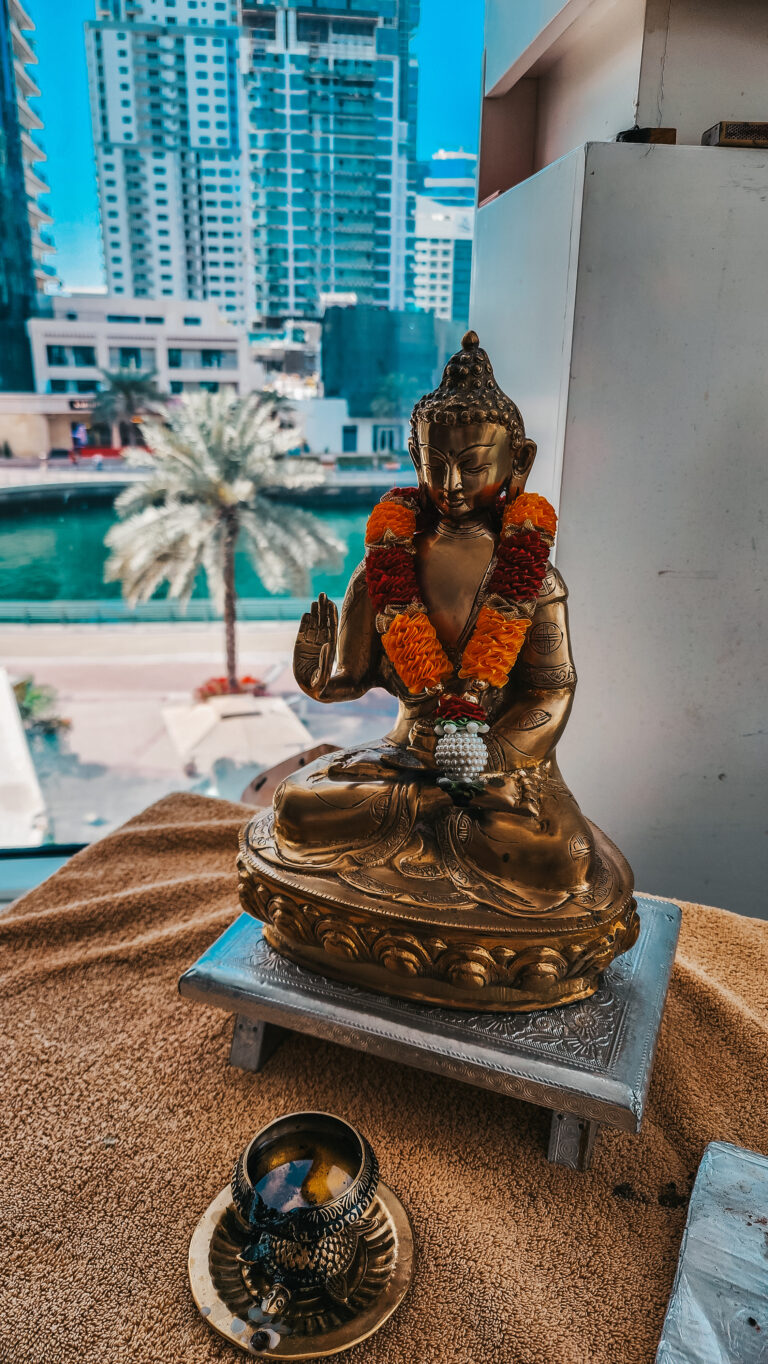
The most transformative yoga experience of my life happened in Nepal. I wore the same few outfits on repeat, practiced on a worn mat, and nobody cared what brand anyone was wearing.
Which is why I find my fascination with Alo Yoga brand slightly ironic.
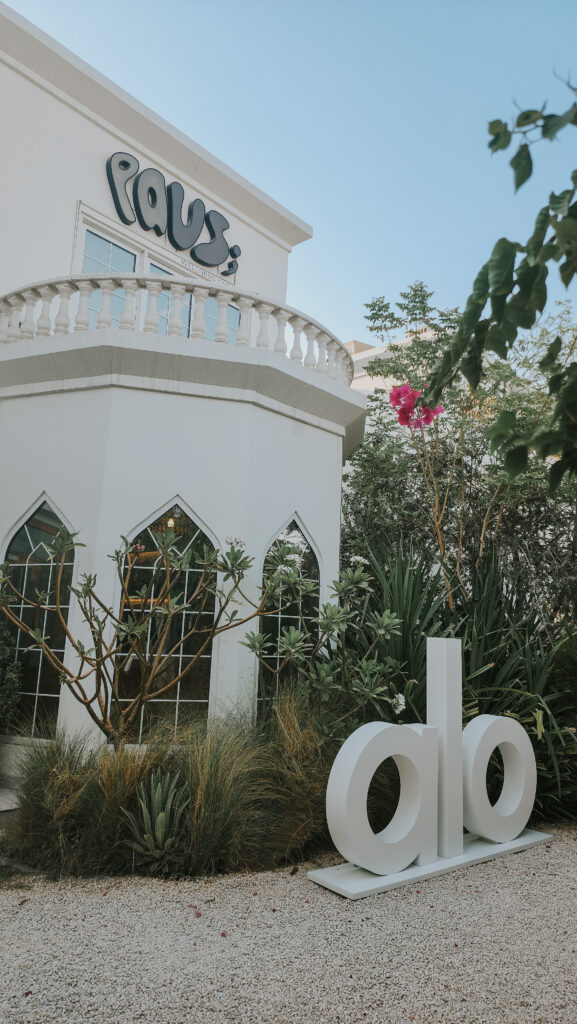
Walk into almost any Pilates studio, wellness café, or airport lounge and you will spot the same thing. A matching set, a matcha in hand, a tote bag that says everything without saying anything at all.
That brand is Alo. And I have a complicated relationship with it.
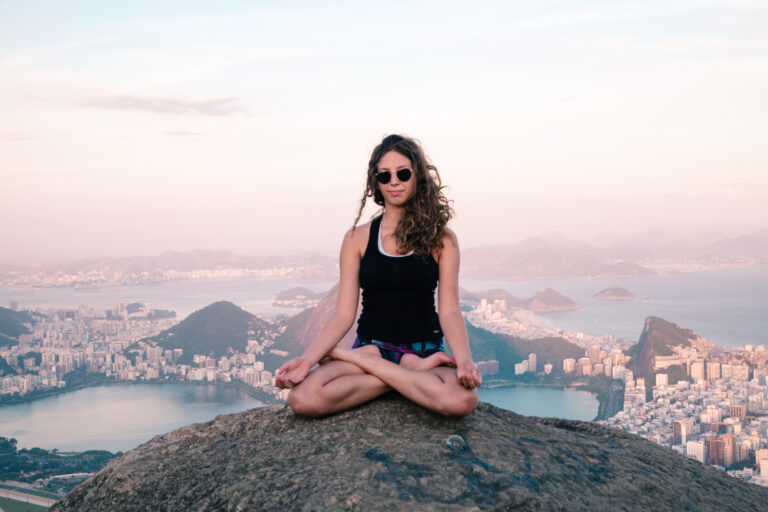
I have been practicing yoga for years. I did my teacher training in Nepal, I have practiced on mats in Airbnbs, on balconies, in hotel rooms before sunrise, on the floor of my apartment in Dubai when I had no mat at all. Yoga, for me, has never been about what I wore.
But then I started paying attention to Alo. Not just the clothes. The whole world they built around them.
And I understood why it resonates so deeply with so many people. Including me, at times.
What Alo Actually Is
Alo was founded in 2007 in Los Angeles by childhood friends Danny Harris and Marco DeGeorge. The name stands for Air, Land, Ocean. What is less commonly known is that neither of them came from the wellness industry. Both had found solace in yoga for personal reasons — DeGeorge was recovering from a back injury, Harris was dealing with anxiety. That origin matters. The brand was not built by marketers who spotted a trend. It was built by two people who actually needed what they were making. Business of Fashion
Today, Alo is 100% sweatshop-free and platinum-certified by WRAP, the world’s top ethical manufacturing watchdog. They use solar energy at their LA headquarters and produce activewear from eco-friendly materials, including recycled polyester and non-toxic dyes. That is not the story most people tell about them. We talk about the aesthetics, the price tag, the celebrity endorsements. But the foundation is more solid than it looks. Business Strategy Hub
Over the years, Alo grew far beyond leggings. The brand launched body care in 2020, skincare in 2021, hair care in 2022, and supplements in 2023. What started on the yoga mat now extends into almost every corner of a wellness lifestyle. Business Strategy Hub
What Alo Sells That No One Talks About
Most activewear brands sell products.
Alo sells a version of yourself you want to become.
Calm. Balanced. Intentional. Effortlessly put together without trying too hard.
Every photo, every retail space, every collaboration communicates the same thing: wellness is not something you squeeze into your schedule. It is how you move through your entire day.
That message is powerful because it is not really about the clothes. It is about belonging to a way of living that feels aspirational without being aggressive. Alo does not pressure you to be better. It just quietly shows you a version of life that looks very good.
I find that both brilliant and worth questioning.
The Quality Question (Honest Answer)
Let me be direct about this because I think a lot of wellness content avoids it.
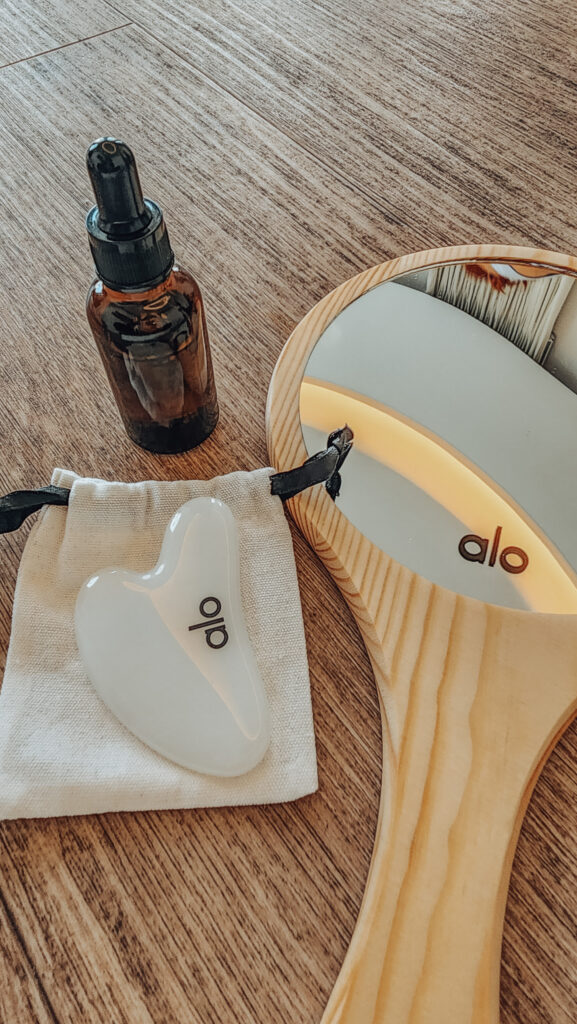
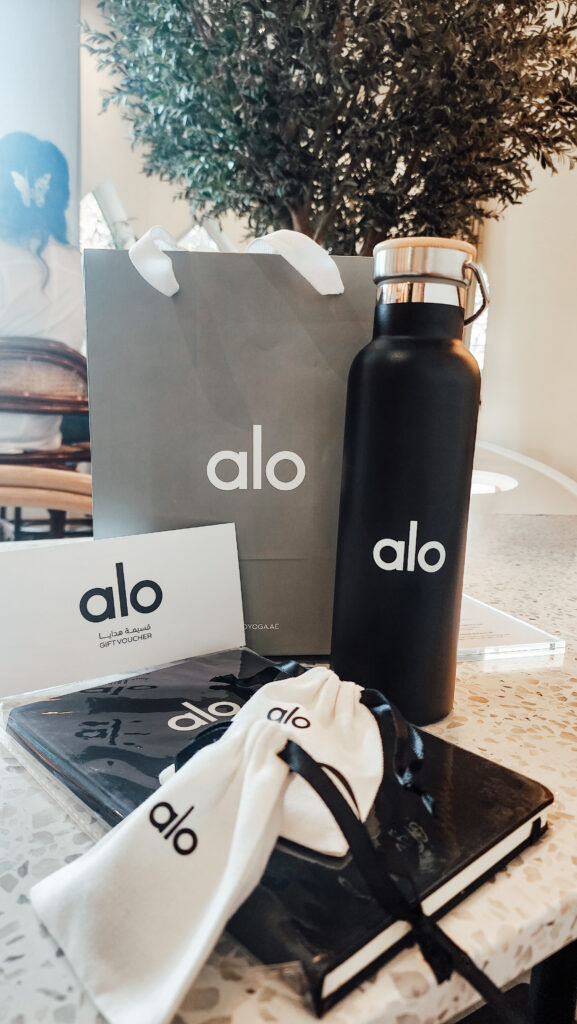
Alo pieces are beautiful. They are well-cut, the fabrics feel premium, and they photograph incredibly well. A lot of people love them for the studio-to-street versatility. You finish a yoga class and you look completely put together without changing.
But you are also paying for the brand experience, not just the product.
Some pieces are excellent. Others are chosen more for aesthetics than for actual athletic performance. If you want technical performance gear that holds up to serious movement and heat, especially living somewhere like Dubai, there may be better options at similar or lower price points.
Alo sits somewhere between activewear and fashion. That is not a criticism. It is just useful to know before you buy.
Is Alo Worth the Price?
The honest answer? It depends on what you’re looking for.
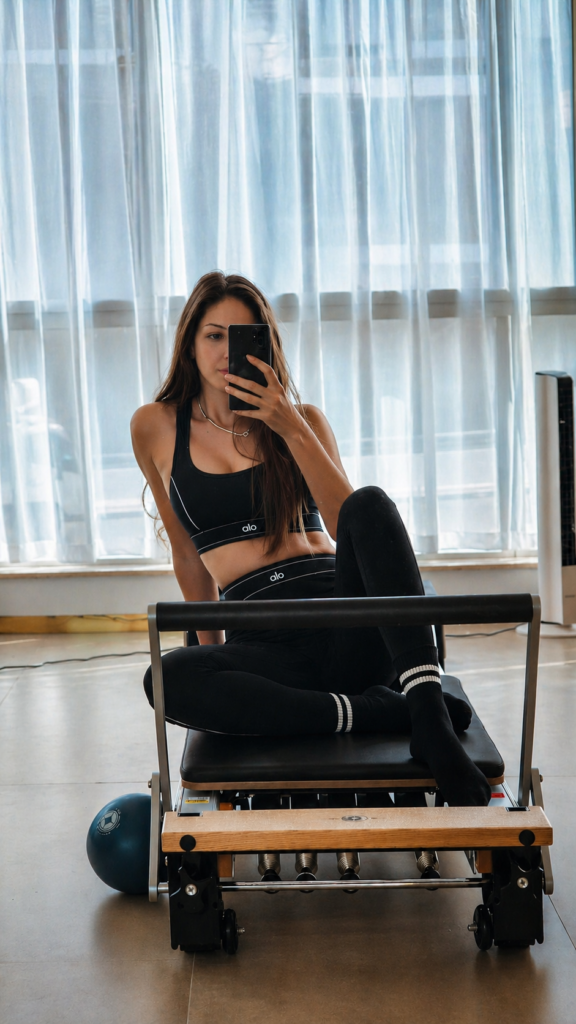
If you’re new to yoga, I wouldn’t tell you to spend hundreds of dollars on activewear. A consistent practice matters far more than the logo on your leggings. Some of the most meaningful classes I’ve ever taken happened in old workout clothes that had seen much better days.
But if you already have an established practice and enjoy investing in pieces that make you feel good, Alo can be worth it. The designs are beautiful, the fabrics are comfortable, and many pieces transition seamlessly from a yoga class to the rest of your day.
What you’re really paying for isn’t just the clothing. You’re paying for the brand experience, the aesthetics, the community, and the feeling that comes with it. Whether that’s worth the premium price is a personal decision.
My advice? Buy Alo because you genuinely like the fit, quality, and design. Not because you think it will make you more committed to your practice.
A new pair of leggings can make you excited to get on the mat. But they’re not what keeps you coming back.
The practice does.
Alo vs Lululemon: Which One Is Better?
If you’re considering investing in premium activewear, the comparison usually comes down to two brands: Alo and Lululemon.
After trying both, I don’t think one is objectively better than the other. They simply serve different purposes.
Lululemon was built for performance first. Whether you’re running, lifting weights, training for a marathon, or spending hours in a hot yoga studio, their fabrics are designed to handle serious movement. The focus is functionality, technical innovation, and durability.
Alo, on the other hand, feels more lifestyle-oriented. The pieces are designed to take you from a Pilates class to lunch, from a morning walk to an afternoon of working from a café. Their collections often feel more fashion-forward, with trend-driven silhouettes, elevated basics, and pieces that look just as good off the mat as they do on it.
If I were choosing activewear for a challenging workout in the Dubai heat, I would probably reach for Lululemon.
If I were packing for a wellness retreat, a slow weekend getaway, or simply wanted an outfit that made me feel effortlessly put together, I would likely choose Alo.
The difference goes beyond clothing. Lululemon built a fitness community. Alo built a wellness lifestyle.
Neither approach is wrong.
It really comes down to what you’re looking for.
Choose Lululemon if:
- Performance is your top priority
- You do high-intensity workouts regularly
- You want pieces that can withstand years of heavy use
- You prefer function over fashion
Choose Alo if:
- You love wellness-inspired style
- You want activewear that transitions easily into everyday life
- You value aesthetics as much as performance
- You’re drawn to the brand’s overall lifestyle and community
Personally, I see them less as competitors and more as reflections of two different approaches to movement.
Lululemon is about what your body can do.
Alo is about how you want your life to feel.
And depending on the season of life you’re in, both can have their place in your wardrobe.
Alo and Yoga: My Honest Perspective
Here is something I think about.
When I was in Nepal doing my teacher training, nobody cared what anyone was wearing. We practiced for hours every day in the same worn clothes. Some people barely had proper mats. And it was the most transformative yoga I have ever experienced.
The practice had nothing to do with how it looked.
Alo, at its best, understands this. Their founding story is rooted in yoga as a healing practice, not a performance. The community they built, the classes they offer, the retreats and events; they genuinely promote movement and mindfulness, not just the aesthetic.
At its worst, though, the brand can feed into the part of wellness culture that turns your practice into a photoshoot. The matching set. The perfect form. The curated moment on the mat.
Real yoga is not always beautiful. Sometimes it is sweaty and uncomfortable and deeply unglamorous. And that is exactly when it is working.
Alo Moves: The Platform That Actually Changes Things
One of the smartest things Alo ever did was build Alo Moves, their online wellness platform.
Alo has since made the platform free for everyone, transitioning away from the traditional subscription model. That shift says something important about where the brand is heading. Accessibility over exclusivity. Athletech News
The platform includes yoga, Pilates, meditation, strength, mobility, and more. For anyone building a practice outside a studio; traveling, working remotely, or simply not wanting to commute to a class; it is genuinely valuable.
Some of my favorite practices have happened in unconventional spaces. A living room in Iceland. A rooftop in Bali. A quiet corner of a Dubai apartment before the city woke up. Having a platform that travels with you removes one of the biggest excuses: that you can only practice in the right place, with the right setup.
That friction is real. Removing it matters.
What Alo Gets Right About Modern Wellness
Alo understands something that many wellness brands miss.
People do not want to be told to work harder at being well. They want wellness to feel integrated, not like another item on the to-do list.
The brand communicates that beautifully. A morning stretch. A walk without your phone. A class that feels good rather than punishing. Movement because it regulates you, not because you are chasing a goal.
That philosophy is not new. But Alo packaged it in a way that made it feel accessible and genuinely appealing to an entire generation of women who were done with diet culture and performance-based fitness.
For that, I think they deserve real credit.

Where It Gets Complicated
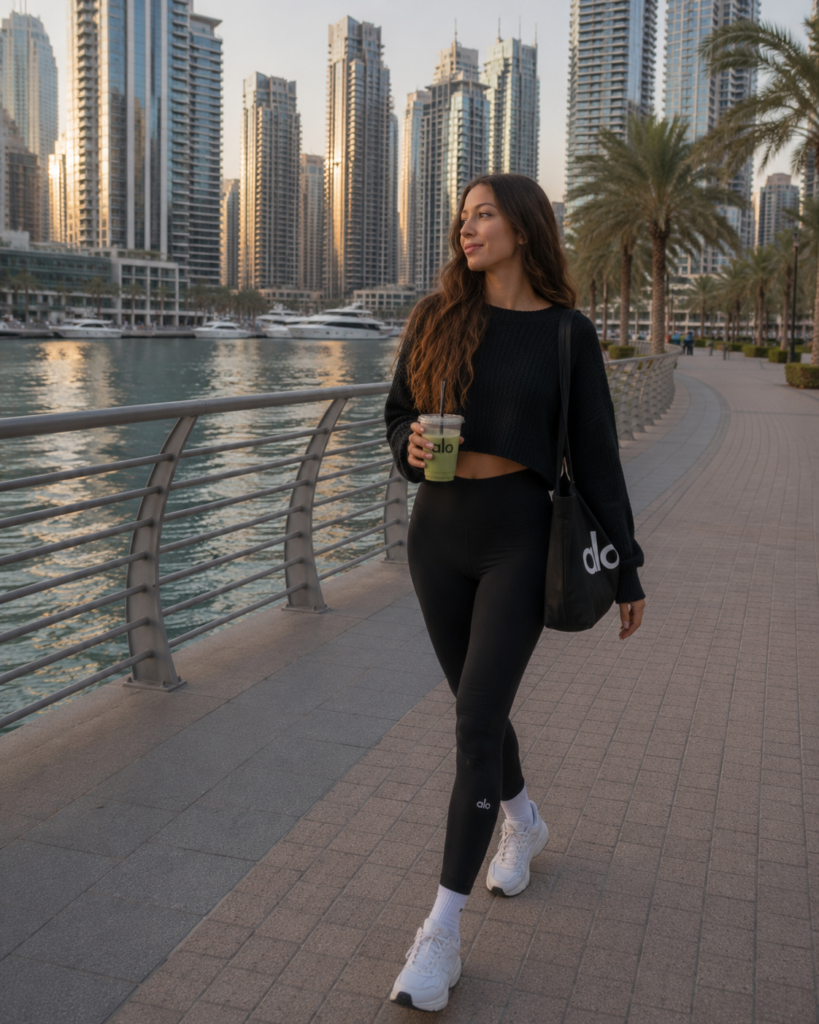
Social media turned wellness into a performance. And Alo, whether intentionally or not, is part of that story.
The pressure to look a certain way while practicing. The idea that your mat, your clothes, your morning routine need to be aesthetically aligned. The silent suggestion that wellness is something you buy into rather than something you build slowly, quietly, imperfectly.
A pair of leggings will not make you calmer.
A matcha will not make you more intentional.
A beautiful routine that looks good online will not replace the actual work of learning to slow down.
I buy into the Alo aesthetic sometimes. I will not pretend I do not. There is something about beautiful things that makes a practice feel more intentional.
But I also know that the most grounding practices in my life have happened in the least curated moments.
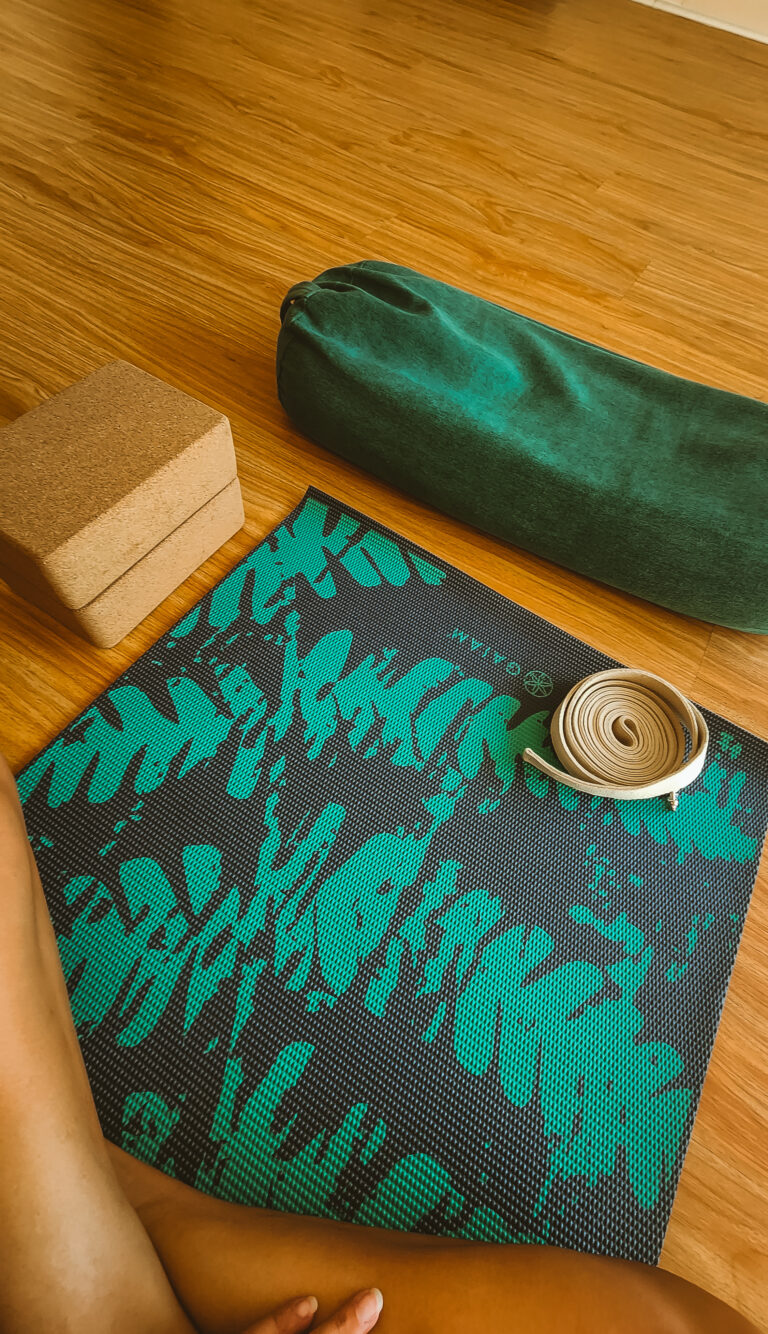
On a mat on a hard floor.
In clothes that were not matching anything.
In a place no one was photographing.
That is still yoga. That is still wellness.
Final Thoughts
Alo built one of the most successful wellness brands in the world by understanding that people are not buying activewear. They are buying a vision of how they want to live.
There is nothing wrong with that. Beautiful things can genuinely support a beautiful practice.
But the most important part of wellness has always been the part that costs nothing.
Showing up to the mat even when it is hard.
Breathing through something difficult.
Choosing rest without justifying it.
Moving your body because it is yours and it deserves care.
Beautiful clothes can support a practice. They just can’t replace one.
What I appreciate most about Alo is that, beneath the beautiful campaigns and perfectly curated imagery, the brand still seems rooted in the idea that movement can improve our lives. Whether through their classes, community events, or simply inspiring people to spend more time on the mat, that’s a mission I can get behind.
Have you tried Alo? I would genuinely love to know what you think, drop it in the comments below.